
Ledger Flex

Sale price€258,18

Colour: Black Graphite
Expected delivery: 3 working days Delivery time & shipping costs

In stock / Ordered before 5pm, shipped today*
Products with the above inventory status ordered on weekdays before 5:00 PM will be shipped the same day. All orders placed on Saturday or Sunday will be shipped on Monday.

In stock soon / New stock expected
Products with this status are out of stock, but are expected back in stock shortly. You can still order these products, and the entire order will be shipped once all items are in stock.

Sold out
We don't expect these products to be back in stock anytime soon. Please contact us if you're interested.

Delivery time & shipping costs per country

At Cryptoken, we aim to process and ship your order as quickly as possible. Please note that the delivery time may vary depending on your location and any unforeseen circumstances.

Country Order under €60 / from €60 Expected delivery time
Netherlands €4.95 / Free Ordered on working days before 17:00 = shipped the same day. In the Netherlands usually delivered the next working day; letterbox parcels within 1–2 working days.
Belgium €6.95 / Free 1 - 2 working days
Zone 1* €8.95 / Free 3 - 6 working days
Zone 2* €8.95 / Free 4 - 8 working days
Zone 3* €8.95 / Free 5 - 10 working days
*Zone 1: Denmark, Germany, Finland, France, Ireland, Austria, Sweden
*Zone 2: Hungary, Italy, Poland, Portugal, Slovakia, Spain, Czech Republic
*Zone 3: Bulgaria, Cyprus, Estonia, Greece, Croatia, Latvia, Lithuania, Luxembourg, Malta, Romania, Slovenia

Shipping options

Free shipping from €60 applies to the standard method (PostNL, including PostNL point or parcel locker and letterbox parcel). For the insured shipping options, a reduced rate applies from €60.

  • PostNL point or parcel locker (Netherlands and Belgium): instead of home delivery, you can have your parcel delivered to a PostNL point or parcel locker at the same rate as standard shipping (€4.95 in the Netherlands, €6.95 in Belgium; free from €60). After payment, you can select a pickup point. This option is not available for letterbox parcels in the Netherlands.
  • Letterbox parcel (Netherlands): products that fit through the letterbox are shipped as a PostNL letterbox parcel for €4.95 (free from €60), with a delivery time of 1–2 working days.

Insured shipping (Zone 1, 2 and 3): in addition to standard shipping via PostNL, you can choose insured shipping for destinations in Zone 1, 2 and 3:

Shipping method Order under €60 / from €60 Expected delivery time
PostNL (standard) €8.95 / Free Zone 1: 3–6 · Zone 2: 4–8 · Zone 3: 5–10 working days
PostNL Insured €11.95 / €2.95 Zone 1: 3–6 · Zone 2: 4–8 · Zone 3: 5–10 working days
DHL Insured €19.95 / €11.95 Zone 1: 2–4 · Zone 2: 3–5 · Zone 3: 3–6 working days

Shipping via PostNL

We ship via PostNL as standard, a reliable partner for delivering your orders. PostNL offers excellent service and ensures safe and fast delivery of your parcels. If you choose DHL Insured, your parcel will be delivered by DHL. You will receive a track & trace code that lets you follow the status of your order.

Do you have any questions about our delivery times or shipping costs? Feel free to contact us at info@cryptoken.nl. We are happy to help!

Wallet finder
Question about the Ledger Flex

Pros and cons

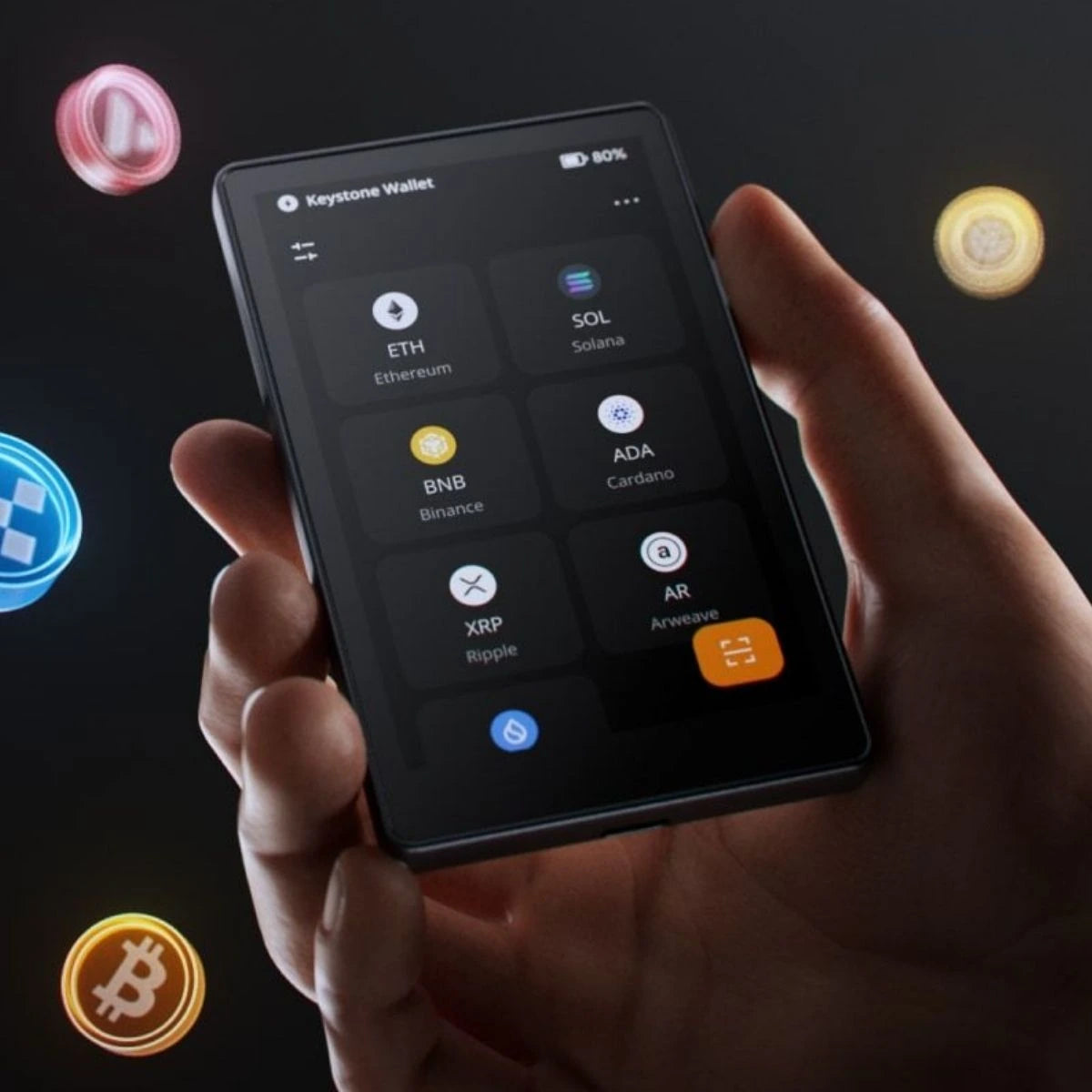
  • User-friendly with touchscreen display
  • Compatible with secure Bluetooth connection
  • Larger storage space (60-100 coins at a time)
  • No native support for Shamir backup

Description

The Ledger Flex is back with a fresh new look: more compact, more powerful and now available in several stylish colours. This latest version combines leading security with an intuitive design and introduces the Ledger Recovery Key – for even more peace of mind about your digital assets. Suitable for both beginners and experienced crypto users.

Advanced Security

CC EAL6+ Secure Element Chip

Secured with the same technology used in bank cards and ID cards. Your private keys stay strictly offline and protected.

Ledger Recovery Key (new in the box)
With the included Ledger Recovery Key, you can restore your wallet even in the event of loss or damage. An extra layer of security for the long-term protection of your crypto.

User-friendly and Practical Design

E Ink touchscreen
Clear and responsive screen for easily managing and confirming transactions.

Bluetooth and NFC connectivity
Connect wirelessly to your smartphone or computer via Ledger Live. Supports iOS, Android, Windows, macOS and more.

Compact and stylish
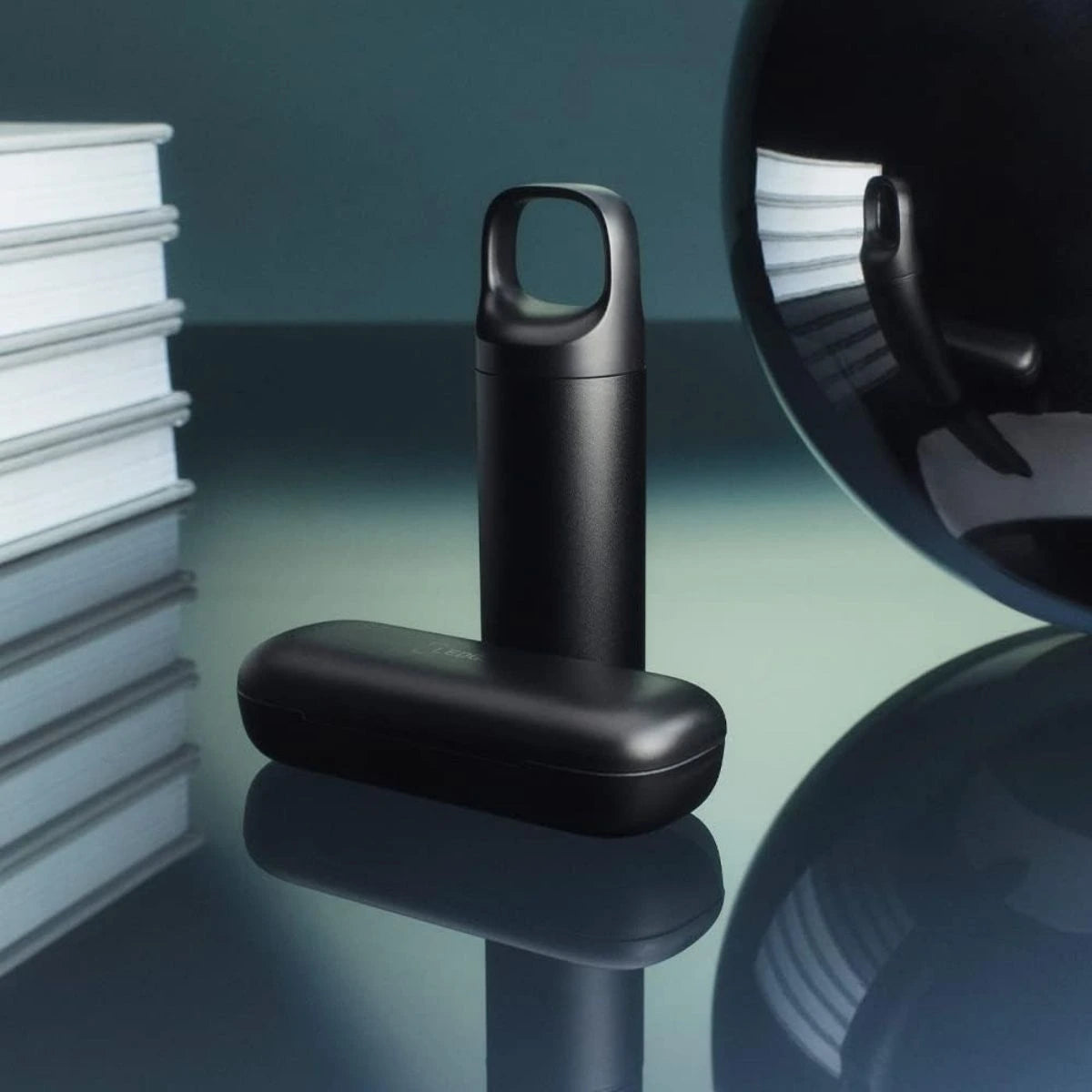
Lightweight design in a modern, pocket-sized format. Now available in several new colours.

Support and Compatibility

Supports more than 1,500 cryptocurrencies
Manage your entire portfolio, including Bitcoin, Ethereum, Litecoin and countless tokens, on one device.

Full integration with Ledger Live
Manage your crypto assets, send and receive transactions and take part in staking – all from one trusted app.

In the box

  • Ledger Flex
  • Ledger Recovery Key
  • USB-C cable
  • Manual and safety instructions
  • Seed phrase recovery sheet
Works with phone/computer
  • iOS
  • Android
  • Windows
  • macOS
  • Linux
Connection method Connection method

Hardware wallets can connect to your devices in a variety of ways to sign and manage transactions. The choice of connection method affects usability, security, and compatibility. Below we explain the most common connection methods: NFC , Air-Gapped , USB-C , and Bluetooth .

Method Advantages Disadvantages Ideal for
1. NFC Handy, no cables Limited security Smartphone users
2. Air-Gapped Maximum safety Less user friendly Security-conscious users (long-term)
3. USB-C Reliable, stable Less portable PC users, reliable setups
4. Bluetooth Flexible, wireless More vulnerable to hacking Mobile users

1.NFC (Near Field Communication)

What is it?
NFC is a wireless communications technology that allows devices to exchange data over short distances (usually less than 10 cm).

How does it work?
The hardware wallet communicates with an NFC-compatible smartphone or other device by holding it close.

Advantages:

  • Quick and easy connection.
  • No cables required, making it convenient for mobile use.

Disadvantages:

  • Limited to devices with NFC support.
  • Possibly less secure than air-gapped solutions, as it uses wireless communication.

Suitable for : Users who seek convenience and manage transactions primarily on a smartphone.

2. Air-Gapped (Completely Offline)

What is it?
An air-gapped wallet does not connect directly to another device via cables or wireless technology. Communication occurs via QR codes or physical storage media, such as SD cards.

How does it work?
Transactions are prepared offline on a device (e.g. smartphone), after which they are transferred to the wallet via QR codes or files.

Advantages:

  • Extremely secure, as there is no direct contact with networks or other devices.
  • Protected against online attacks such as hacking or malware.

Disadvantages:

  • May be less user-friendly due to the additional steps required to complete transactions.
  • Less suitable for users looking for speed and convenience.

Suitable for: Users who value maximum security above all else. Also very suitable for long-term investors.

3. USB-C

What is it?
USB-C is a physical connection via a cable between the hardware wallet and a computer or smartphone. It is a widely used standard known for its fast data transfer and broad compatibility.

How does it work?
The hardware wallet connects to a compatible device via a USB-C cable.

Advantages:

  • Very stable connection, ideal for long-term use.
  • No wireless communication, which makes it more secure against certain attacks.
  • Suitable for use with both PCs and modern smartphones.

Disadvantages:

  • Limited by the physical cable; less portable and flexible.
  • Requires that the connected device is secure and malware-free.

Suitable for: Users looking for a reliable and secure connection without wireless technology.

4. Bluetooth

What is it?
Bluetooth is a wireless technology that allows devices to exchange data over short distances.

How does it work?
The hardware wallet connects to a smartphone or computer via a Bluetooth connection.

Advantages:

  • No cables required, ideal for mobile use.
  • Suitable for users who value convenience and flexibility.

Disadvantages:

  • Wireless communications can be susceptible to hacking if poorly implemented.
  • Depending on battery life of both devices.

Suitable for: Users who want convenience and manage transactions on the go.

  • Bluetooth
  • USB-C
Features Features

Modern hardware wallets offer more than just storing and securing your cryptocurrency. Many wallets come equipped with additional features that make managing and expanding your digital assets easier. Below we explain the most important functions: swap , buy , stake , and sell , and how they enrich the use of your hardware wallet.

Swap

What is it?
The ability to instantly exchange between different cryptocurrencies without using a third-party exchange.

How does it work?
For example, via integrated services in the hardware wallet you can exchange Bitcoin for Ethereum or other supported coins.

Advantages:

  • No need to transfer crypto to an exchange, keeping your assets safer.
  • Time-saving and user-friendly.

Suitable for: Users who want to actively trade or diversify their portfolio without the risks of external platforms.

Buy

What is it?
The ability to purchase cryptocurrency directly through the hardware wallet.

How does it work?
The wallet is connected to services that allow you to buy crypto via bank transfers, credit cards, or other payment methods.

Advantages:

  • Buy crypto easily and securely, directly to your wallet.
  • No third party needed for initial purchase.

Suitable for: Beginners and users who want to buy crypto directly without external exchanges.

Stake

What is it?
A process where you stake your crypto to support the network and earn rewards.

How does it work?
The wallet directly supports staking services that allow you to lock assets such as Ethereum or Cardano into the network.

Advantages:

  • Generate passive income by participating in the network.
  • No additional software or services needed; everything happens through the wallet.

Suitable for: Users who want to grow their assets without actively trading.

Sell

What is it?
The ability to sell crypto directly from the wallet and convert it to fiat currency (such as euros or dollars).

How does it work?
Through connected services, you can sell your crypto and have the proceeds sent directly to your bank account.

Advantages:

  • Fast and secure way to liquidate crypto.
  • No external exchange required, which is easier and more secure.

Suitable for: Users who want to quickly convert their crypto to traditional currencies.

  • Buy crypto
  • Swap coins
  • Staking
Touchscreen

Yes

Open source Open source

What is open source in hardware wallets?

An open source hardware wallet is a wallet whose source code (software) and sometimes also the hardware designs are freely available to everyone. This means that the instructions and operation of the device are completely transparent. The community of developers, security experts and users can view, check and in some cases even modify and improve the code.

When choosing a hardware wallet, the question of whether the device is open source often plays an important role. For some, open source offers ultimate transparency and control, while others value ease of use or trust in the manufacturer. This explanation explains why some people consciously choose an open source wallet and why others find this less important.

Open source wallets typically make two key components public:

  1. Software : The code that determines how the wallet works, such as signing transactions and communicating with blockchains.
  2. Hardware (not always) : The physical design and specifications of the hardware itself.

Why do people care about open source?

1. Full transparency

  • Verifiability: With an open-source wallet, anyone can verify the operation of the device. This means that independent experts can confirm that there are no hidden backdoors, vulnerabilities, or malicious features.
  • No secrets: Users do not have to blindly trust the manufacturer; the operation is completely public and verifiable.

2. Better safety

  • Community-driven audits: The open source community regularly conducts security audits, which minimizes the chance of errors or vulnerabilities.
  • Faster resolution: Any issues or bugs are found and resolved faster thanks to a broad network of developers and security experts.

3. No vendor lock-in

  • Independence from the manufacturer: If the manufacturer stops or ceases development of the wallet, the open source code remains available. This means that the community can continue to support and update the wallet.
  • Future-proofing: Users are not dependent on the continued existence of a specific company.

Why Some Users Don't Care About Open Source

While open source is attractive to many people, others see it differently:

  • Lack of technical knowledge: Not everyone has the skills to check the code themselves. They prefer to rely on a reputable manufacturer that makes well-secured products, regardless of whether it is open source.
  • Ease of use: Some open-source wallets have a steeper learning curve and may be less user-friendly than their closed alternatives.
  • No visible impact: For users who value security and functionality, a well-secured closed source solution can feel just as reliable.

No

Country of producer

France